
Sutton Square Townhouse vs Condo: What Fits You Best?
June 25, 2026
June 25, 2026
If you are deciding between a Sutton Square townhouse and a luxury condo in 10022, you are not comparing two versions of the same product. You are choosing between two very different ownership experiences in one of Manhattan’s most nuanced residential pockets. This guide will help you weigh privacy, control, maintenance, renovation flexibility, taxes, and resale so you can make a more confident decision. Let’s dive in.
Sutton Square is unusually specific, even by Manhattan standards. It is a very small townhouse enclave within Sutton Place on the East Side, surrounded by a broader neighborhood that is dominated by apartment buildings.
City planning materials describe the area as largely residential, with east-west streets in the study area ending at the East River. That layout can make Sutton Square feel more secluded than nearby Midtown East blocks, even though traffic and bridge activity still affect noise and circulation nearby.
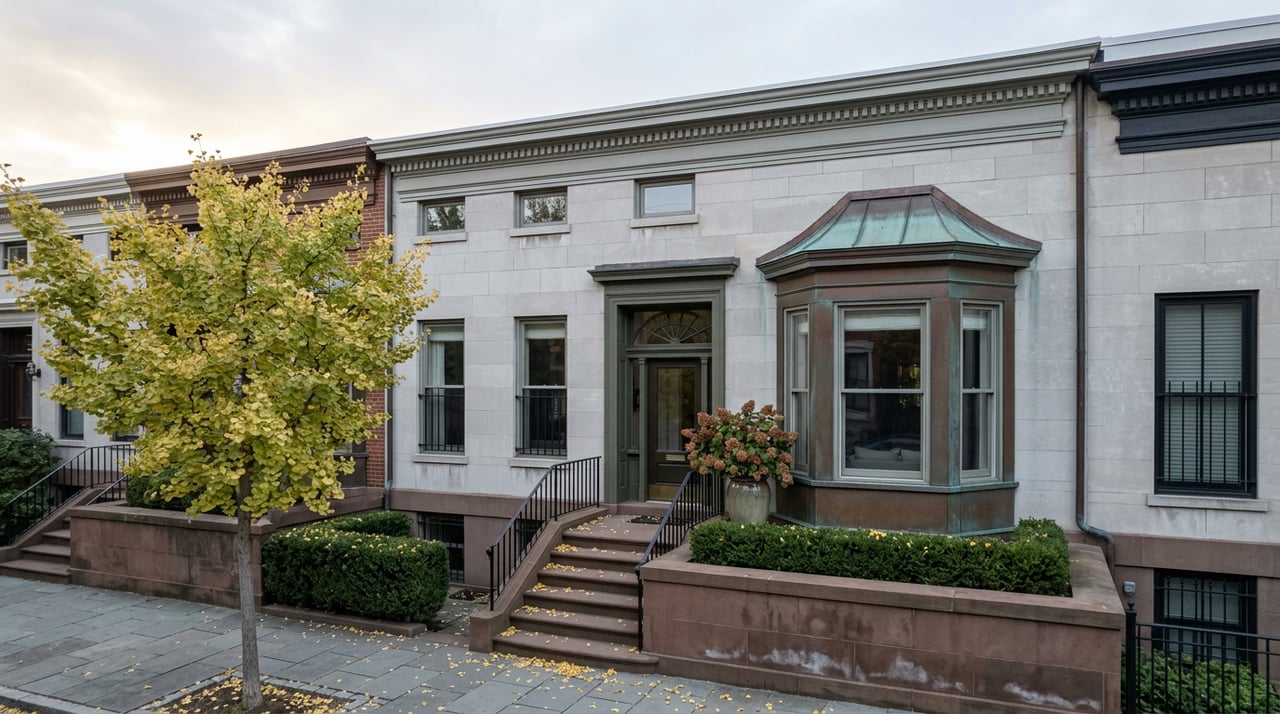
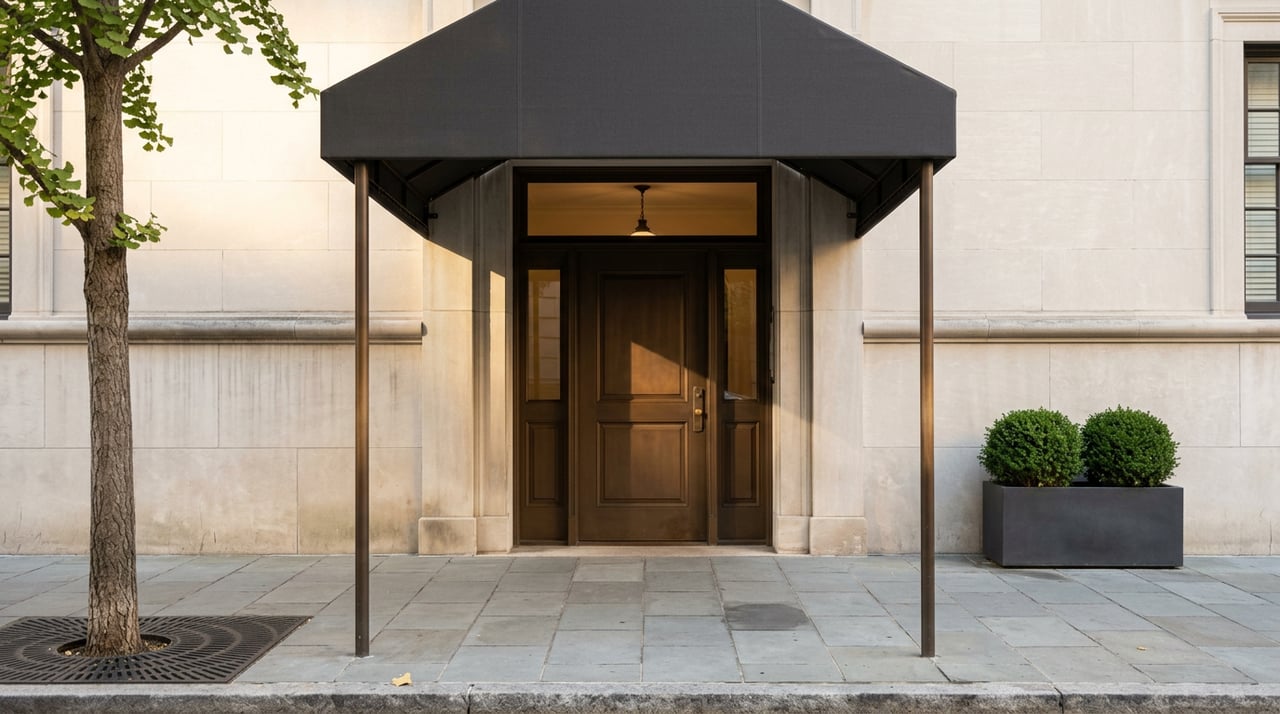
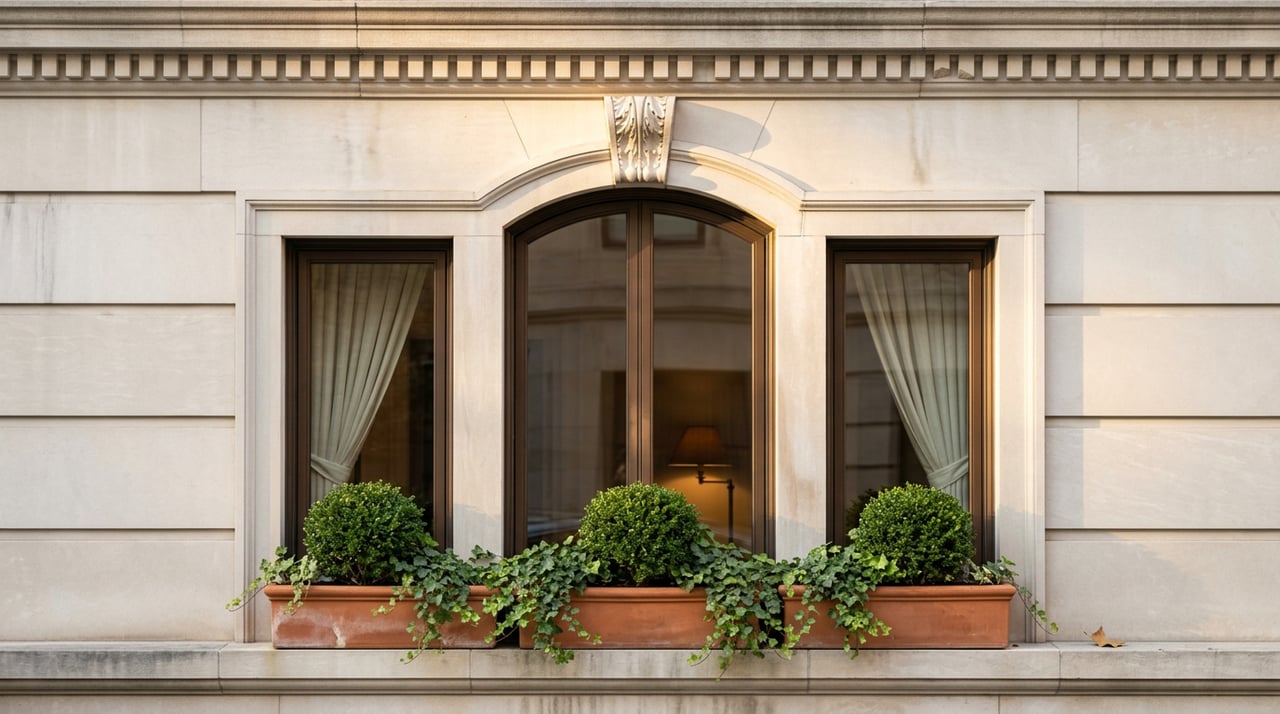
The heart of the enclave is the historic district at 1-21 Sutton Place and 4-16 Sutton Square. These are four- and five-story single-family houses with brick or stucco exteriors and a shared resident garden, which creates a setting that feels very different from the surrounding condo and co-op inventory.
At the highest level, this decision comes down to control versus convenience. A townhouse usually gives you more direct authority over how you live and how the property is maintained. A condo usually offers more centralized services and shared operations, but within a building structure governed by documents, rules, and a board.
That difference matters more in Sutton Square because the townhouse option is not just lower-density housing. It is a rare, architecturally distinct form of ownership in a neighborhood where most available inventory is apartment-based.
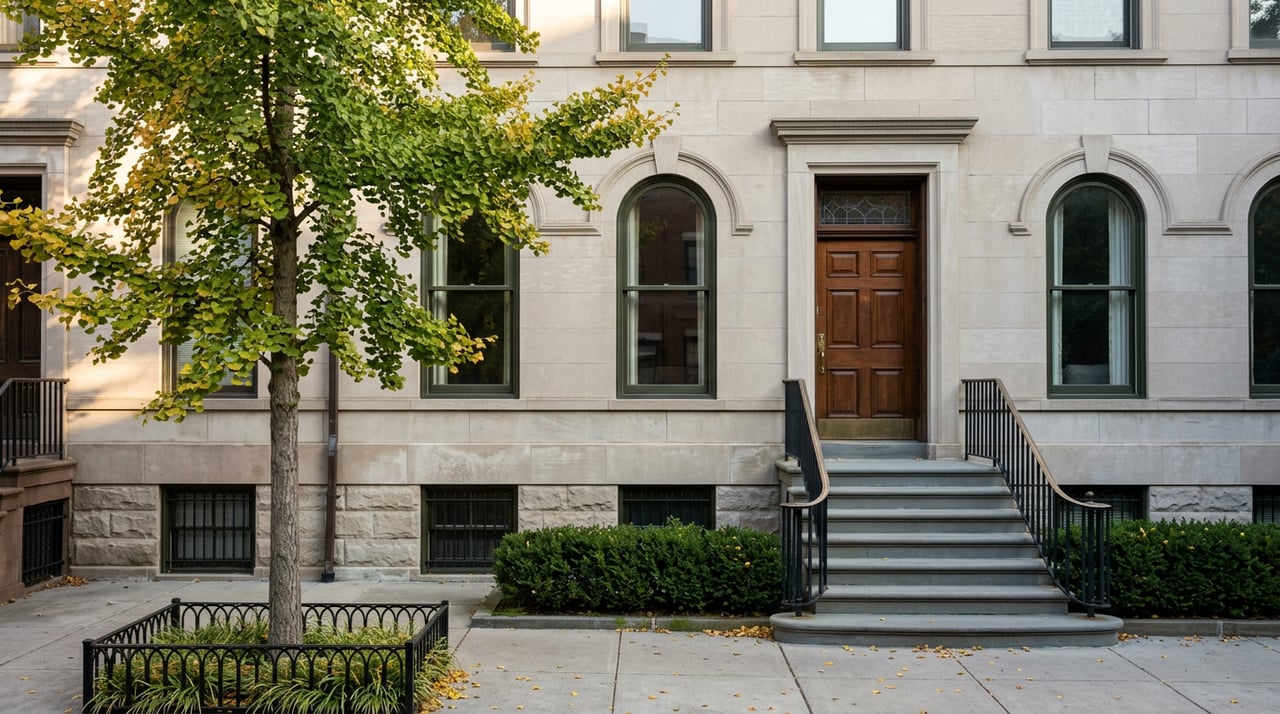
A Sutton Square townhouse is typically a single-family residence. In practical terms, that often means you control access, internal circulation, daily routines, and many property decisions more directly than you would in a condo.
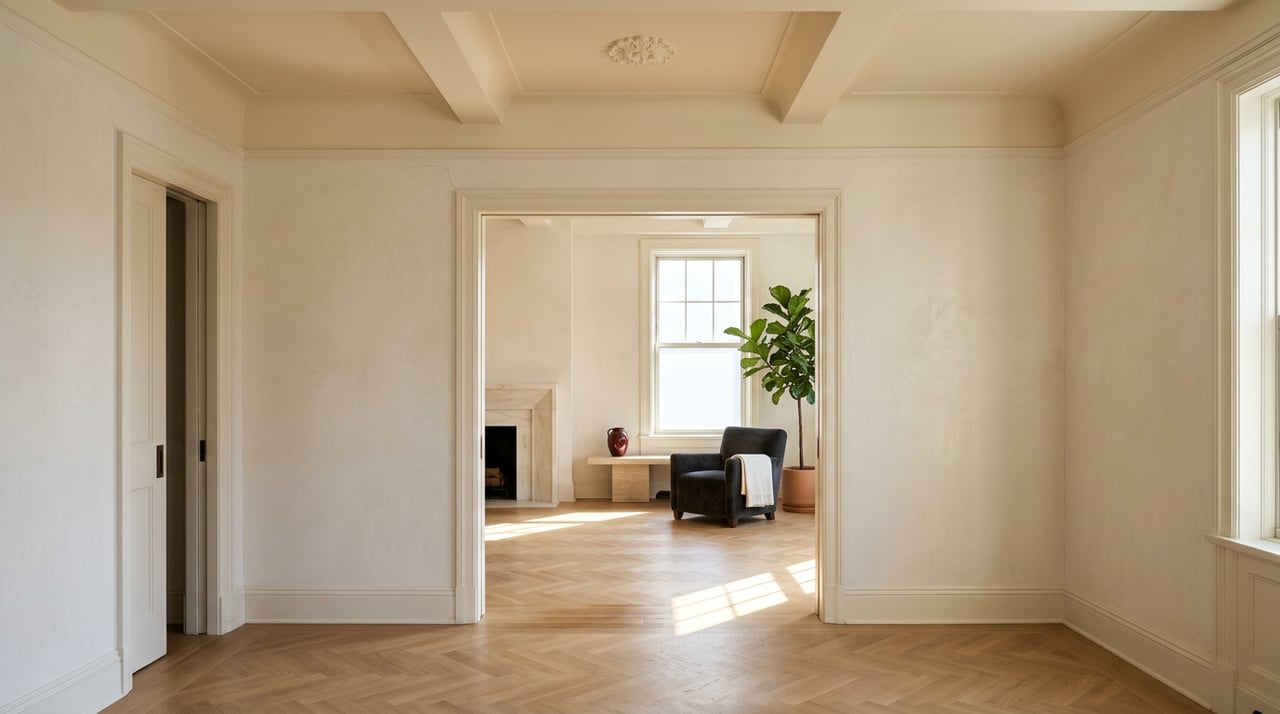
For some buyers, that level of discretion is the entire point. If you value privacy, a more independent household rhythm, and the feeling of owning a house rather than a unit, a townhouse may be the stronger fit.
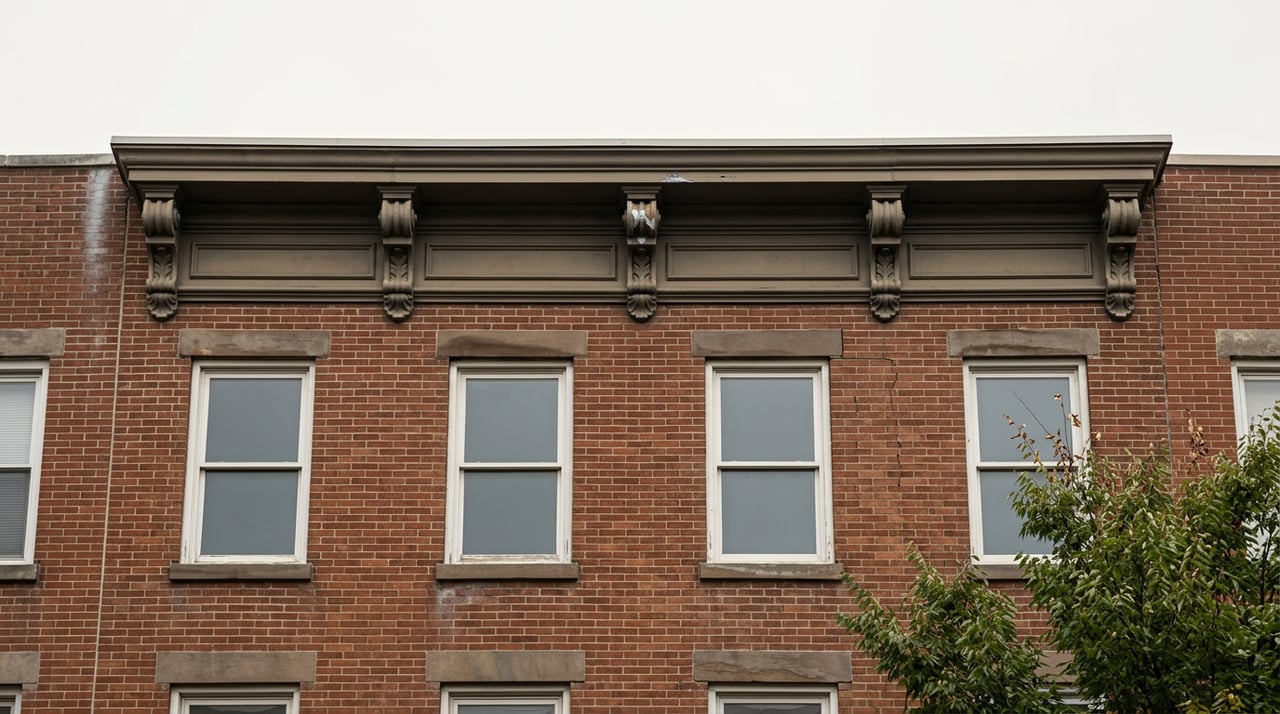
That said, the autonomy comes with responsibility. Roof, facade, windows, structure, and mechanical systems are usually problems you solve directly rather than through a shared building framework.
Many townhouse buyers are drawn to qualities that are hard to replicate in a condo building:
In Sutton Square, those benefits are amplified by the enclave’s scale and historic character. You are not just buying square footage. You are buying a specific type of ownership that is scarce in the local market.
A condo offers a different kind of value. You own your unit, but you are also part of a shared ownership structure with common elements, building rules, and a board of managers.
In New York, condo purchases are made under an offering plan, and the declaration and by-laws define many of the board’s powers, repair obligations, meeting procedures, and use restrictions. The board also maintains records, issues annual reports, and can place liens for unpaid common charges.
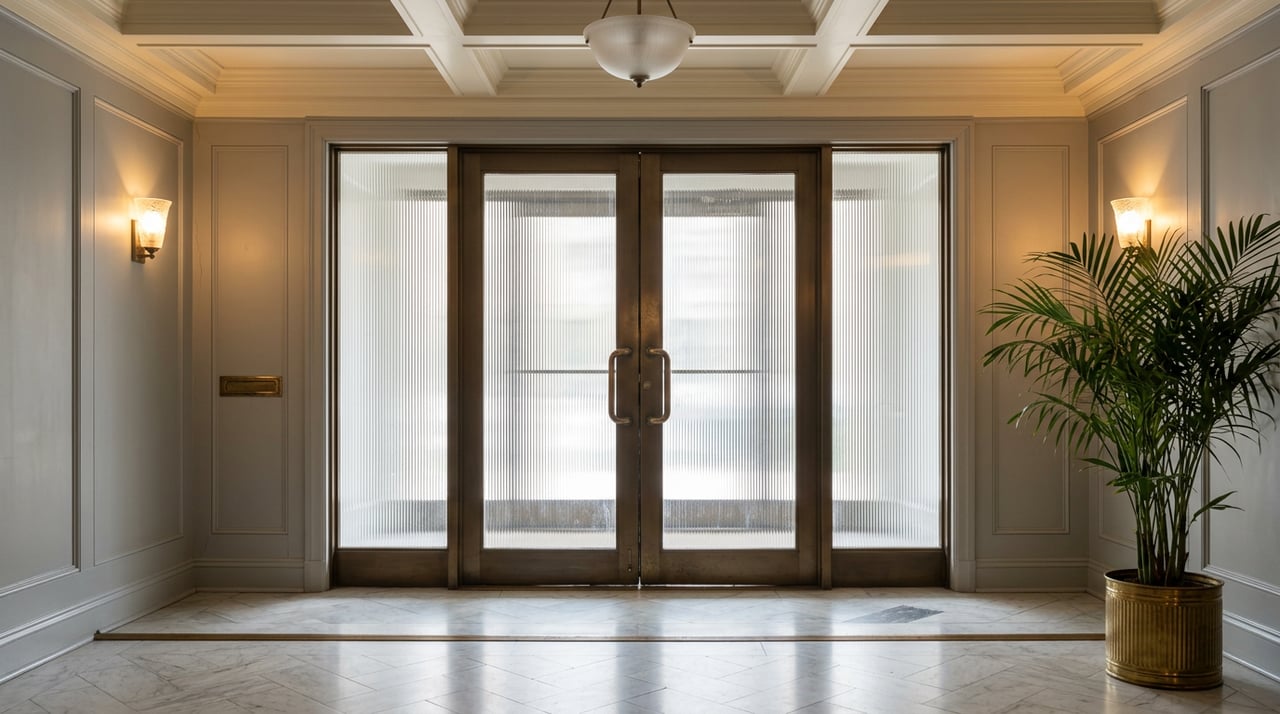
For many buyers, that structure is a benefit. It can create a more organized operating environment, with centralized staffing, common-area upkeep, and less need to personally manage exterior building systems.
A luxury condo may be the better fit if you want a more standardized ownership experience:
The trade-off is that you give up some independence. Building policies, budgeting decisions, and timing for major work are influenced by the board and the building’s operating structure, not just by you.
Maintenance is often where this decision becomes clear. If you buy a townhouse, the ownership burden is more concentrated. If a facade issue, drainage issue, or mechanical problem appears, you are typically dealing with it as the owner of the whole asset.
In a condo, those responsibilities are spread across the building. Owners pay common charges while the board oversees operations, maintenance, rules, and staffing for common elements.
Neither model is automatically better. It depends on whether you prefer direct oversight or shared management.
| Topic | Sutton Square Townhouse | Luxury Condo |
|---|---|---|
| Privacy | Typically higher | Shared building environment |
| Control | Direct owner control | Board and building rules apply |
| Maintenance | Owner-managed | Shared through common charges |
| Renovation process | Property-specific, status-dependent | Unit and building approvals apply |
| Market liquidity | Narrower buyer pool | Larger resale market |
| Asset character | Highly unique | More standardized |
In Sutton Square, renovation questions should be handled with precision. The townhouse cluster is listed on the National Register of Historic Places, but that does not automatically mean every property is subject to New York City landmark review.
That distinction matters. New York City landmark designation generally triggers Landmarks Preservation Commission review before most alterations, while National or State Register status alone does not create the same local review process.
According to New York State Parks, a National or State Register property can generally still be remodeled, altered, or even demolished if local zoning and permit requirements are satisfied. That is why you should confirm the exact preservation status of the specific address you are considering before assuming renovation limitations.
For a Sutton Square townhouse, due diligence should focus on the asset itself:
If your plan involves meaningful upgrades, this step is essential. The wrong assumption about approvals or building condition can materially change cost, timing, and ownership experience.
One of the most common mistakes in Manhattan is comparing townhouse and condo property taxes by headline rate alone. In New York City, the assessment framework matters just as much as the published tax rate.
NYC Finance states that Tax Class 1 properties use a 6 percent assessment ratio, while Tax Classes 2, 3, and 4 use 45 percent. For tax year 2026, the listed rate is 19.843 percent for Class 1 and 12.439 percent for Class 2.
That does not mean a condo will always have lower taxes or that a townhouse will always have higher taxes. Assessment class, assessed value, and the city’s calculation framework all shape the final result.
In this area, NYC Finance examples show 7 Sutton Square as Tax Class 1 and a nearby condo unit at 411 East 53 Street as Tax Class 2. If taxes are important to your decision, compare the actual property, not the category in the abstract.
The 10022 market is overwhelmingly condo-heavy compared with townhouse inventory. Redfin’s recent snapshot showed 256 condos for sale and only 20 townhouses for sale last month.
That imbalance helps explain why Sutton Square townhouse value is often driven by rarity, condition, lot width, and block quality rather than by neighborhood-wide median pricing. In other words, broad Sutton Place apartment statistics are not especially useful when you are evaluating a small historic house enclave.
PropertyShark reported a Sutton Place median sale price of $887,000 in April 2026, with condo and co-op medians near that same level, but it also noted there was no statistically significant house-sale data for that period. That is an important reminder that townhouse pricing in this pocket behaves differently.
At the Manhattan level, the townhouse segment remains a smaller niche. One first-quarter 2026 report showed townhouse closings rising year over year to 47 transactions, with a median price of $6.5 million and strongest demand in renovated single-family homes.
By contrast, Douglas Elliman’s Manhattan fourth-quarter 2025 report recorded 1,170 condo sales, a median condo sale price of $1.661 million, and 8.2 months of supply. That is a much larger and more liquid market.
If resale flexibility is a top priority, a condo usually benefits from a broader buyer pool and more standardized market comparisons. If long-term ownership of a rare and architecturally specific asset matters more, a Sutton Square townhouse may offer a kind of value that does not show up cleanly in median-price statistics.
The right answer usually becomes clear when you ask practical questions instead of abstract ones.
A Sutton Square townhouse is often the better fit if you value discretion, direct control, and the ownership experience of a rare single-family home. It can be especially compelling if architecture, privacy, and long-term hold quality matter more to you than simplified operations.
A luxury condo is often the better fit if you want shared maintenance, building services, and a more liquid resale market. It may also suit you better if you prefer a governance structure that organizes operations through common charges and building management.
In this pocket of Manhattan, both can be excellent choices. The better option is the one that matches how you want to live, how involved you want to be, and what kind of asset you want to own over time.
If you are weighing a Sutton Square townhouse against a luxury condo in 10022, a careful, property-specific review can save you time and help you avoid expensive assumptions. For discreet guidance on architecturally significant Manhattan homes, connect with Andres Perea-Garzon.
Stay up to date on the latest real estate trends.


Operating at the highest levels of Manhattan real estate, delivering strategic guidance, discretion, and precision across complex, high-value transactions.