
How to Plan a Sutton Square Discreet Home Sale
July 2, 2026
July 2, 2026
If you own a home on Sutton Square, you may be asking a very specific question: can you sell quietly without giving up pricing power? In this part of Manhattan, that is a reasonable goal. Sutton Square is not a generic apartment market, and the right sale strategy often depends on privacy, positioning, and timing. This guide walks you through how a discreet sale typically works, what rules still apply, and how to frame your home so it reaches the right audience. Let’s dive in.
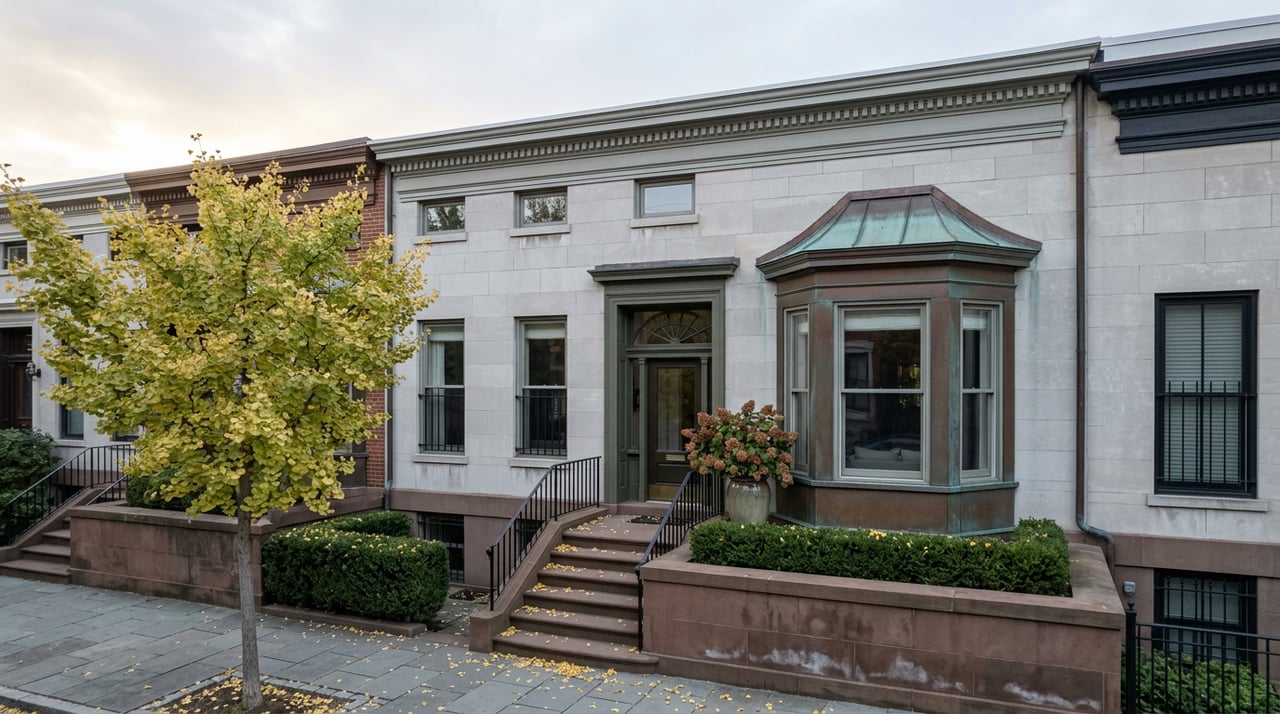
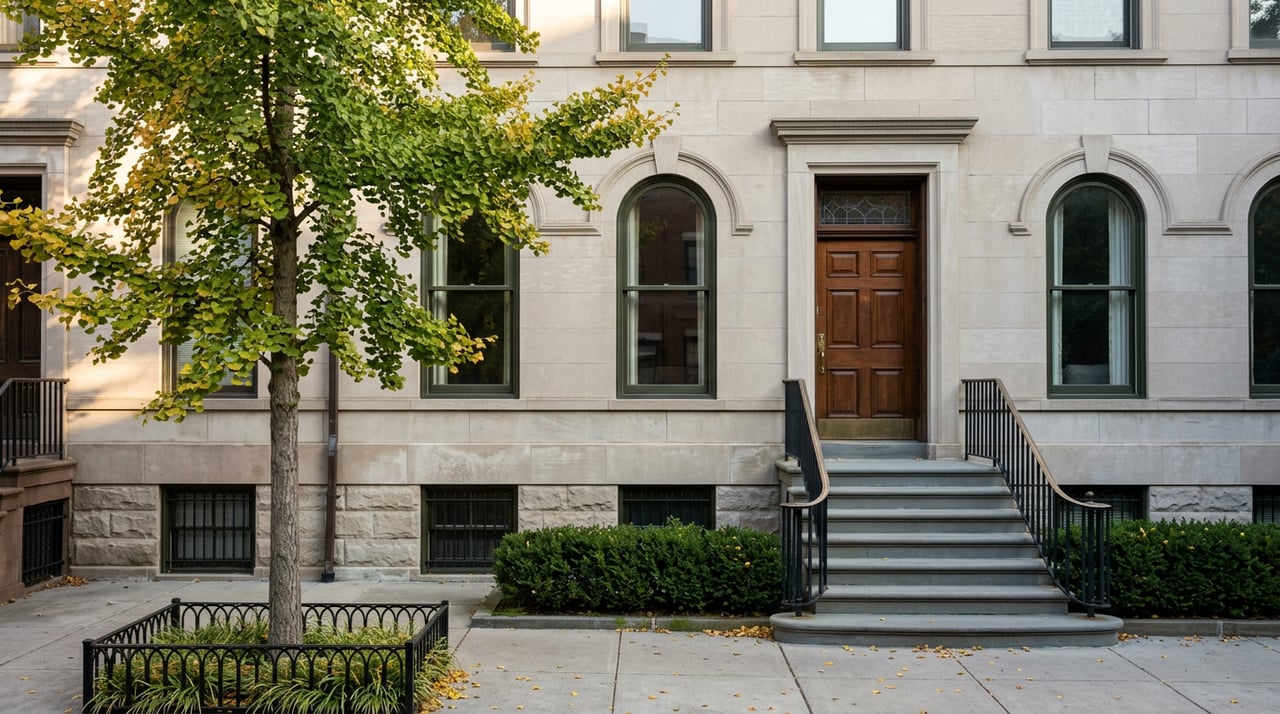
Sutton Square sits within Manhattan’s 10022 ZIP code, an area NYC’s Neighborhood Explorer identifies as including Midtown East and describes as mostly residential. Planning materials for the Sutton Place Historic District identify 4-16 Sutton Square among a collection of four- and five-story single-family residences built of brick or stucco. That matters because your home is part of a small, architecture-driven micro-market.
In practical terms, buyers are not usually comparing a Sutton Square townhouse to a broad pool of apartments. They are often responding to a very specific combination of scale, privacy, historic character, and scarcity. That is why a discreet sale here tends to work best when the narrative centers on architectural quality, provenance, and controlled access.
A discreet sale in New York usually does not mean complete invisibility from start to finish. More often, it means a controlled launch with carefully managed exposure. The goal is to protect privacy while still reaching qualified buyers through the right channels.
REBNY’s Residential Listing Service, or RLS, shares exclusive listings among more than 500 member firms and handles about 70,000 listings annually. REBNY also says the network generates roughly 90 million views per month. So even a limited launch can still put your property in front of a large and relevant broker audience.
For a Sutton Square home, the strongest first move is often curated broker-to-broker outreach. That means introducing the property to brokers with proven relationships in Sutton Place, Midtown East, and other prime townhouse corridors. Because the housing stock is limited and highly specific, targeted exposure is often more efficient than broad public advertising.
This approach can help you control timing, minimize unnecessary attention, and focus early conversations on qualified buyers. It also gives you room to refine pricing feedback and market response before moving into wider exposure, if needed.
If you are considering a quiet launch, the key compliance issue is public dissemination. Under REBNY’s 2026 UCBA changes, Exclusive Listings marked “Participant Only Network” or “Coming Soon” do not accrue days on market until the status changes. That can be useful for sellers who want an initial limited release.
But there is an important line you cannot cross casually. Once a listing is publicly disseminated or shown to any buyer, it must be entered on the RLS. REBNY defines public dissemination broadly to include public websites, social media, and third-party portals.
The takeaway is simple: you can often start quietly, but the process must be broker-managed and compliant from the beginning. A private strategy works best when it is structured intentionally, not informally.
A quiet launch does not give you room to be loose on pricing. In fact, it makes pricing discipline even more important. When you are showing a property to a narrower audience, the first impression matters more.
Brown Harris Stevens reported that in Manhattan, the average resale price reached $1,994,202 in Q1 2026, up 5% year over year, while the median resale price rose 13% to $1,129,900. The same report said inventory was 5% lower than a year earlier, average days on market fell to 108, and buyers paid 97.0% of the last asking price on average.
Corcoran’s Q1 2026 Manhattan report showed a similar pattern. Closings rose 1% year over year to 2,757, total sales volume rose 4% to $6.2 billion, active inventory fell 2% to just over 6,000 units, and days on market fell 9% to 110 days. Transactions above $3 million also rose 10% year over year.
These numbers point to an active but disciplined market. Well-priced homes are still finding traction, but buyers at the top end are not ignoring value. For a Sutton Square townhouse, that means your initial number should be supported by the home’s scale, condition, architecture, and the scarcity of comparable properties.
In a market like this, broad reach is not the whole story. The better question is whether the right buyers understand why your home is different. On Sutton Square, that usually comes down to a handful of themes.
Single-family townhouse living offers a level of separation and control that apartment buyers may be seeking but cannot always find elsewhere. If your home offers private entrances, layered living spaces, or a more intimate setting, those qualities should be communicated clearly.
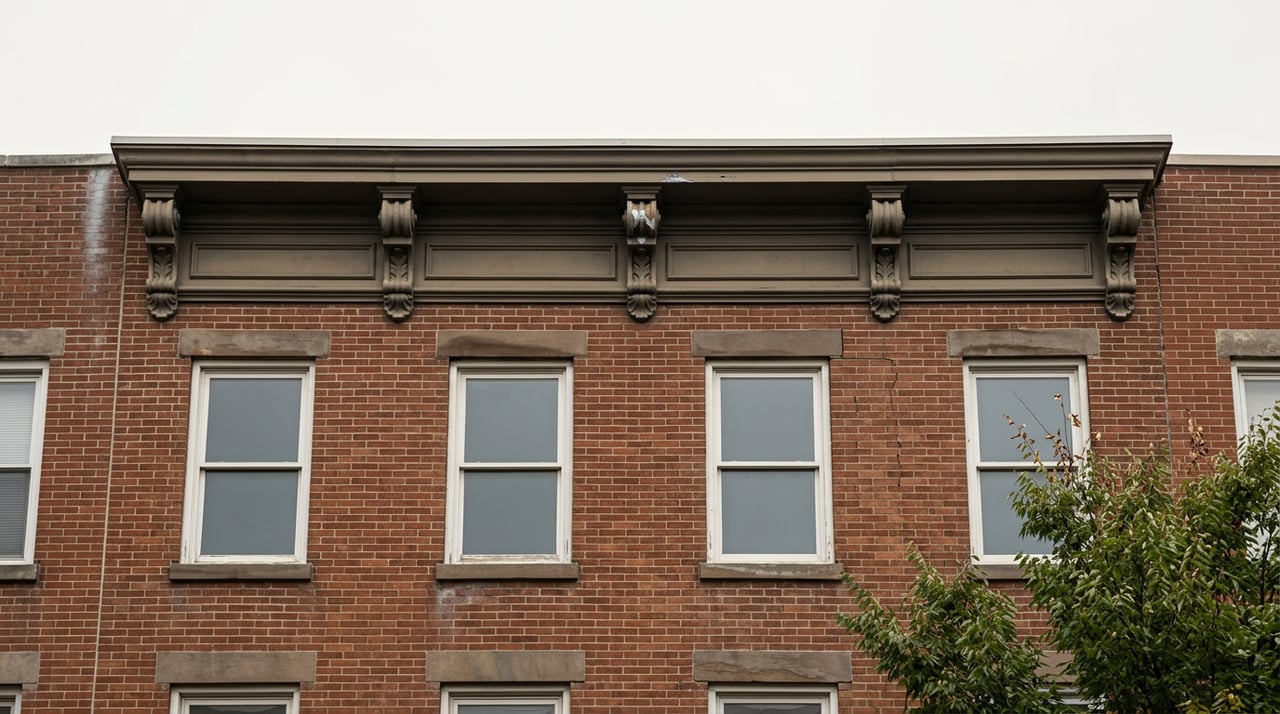
The Sutton Place Historic District adds context that matters to many townhouse buyers. The district’s built form, low density, and architectural continuity help create a sense of rarity. That does not mean making sweeping lifestyle claims. It means describing the setting factually and letting the built environment speak for itself.
A Sutton Square residence is not easy to replace. In a small market with a limited number of similar homes, scarcity can be one of the clearest value drivers. That is especially true when the property has notable scale, intact details, or a strong ownership story.
Because Sutton Square is in a landmarked district, exterior work should be reviewed carefully before anything begins. The NYC Landmarks Preservation Commission states that once a property is designated, the rules and regulations of the Landmarks Law apply. For sellers, that means even seemingly simple exterior improvements may need review.
This is especially important in a discreet sale. You do not want to rush pre-market work only to create avoidable delays later. If you are considering facade touch-ups, windows, entry details, or other exterior changes, they should be evaluated against landmark requirements first.
A discreet process does not reduce your disclosure obligations. If your property is a fee-simple townhouse, New York’s Property Condition Disclosure Statement applies. The form is based on your actual knowledge, and knowingly false or incomplete answers can lead to claims.
The form also states that if the disclosure is not delivered before a binding contract, the buyer receives a $500 credit at transfer. It does not apply to condominium units or cooperative apartments, but for a townhouse seller, it is an important part of the process.
Agency disclosure matters too. New York’s disclosure form requires brokers to explain whether they represent the seller, the buyer, or both. Dual agency is permitted only with informed written consent, and the form explains that a dual agent cannot provide the full range of fiduciary duties.
Privacy should never be confused with selectivity based on protected characteristics. Fair housing rules still apply fully in a confidential sale. Housing discrimination is illegal under the Fair Housing Act, and New York State law adds additional protected classes.
That means buyer qualification should be based on legitimate financial and transactional criteria, not personal traits. A discreet strategy can be highly curated, but it still must be handled in a lawful and consistent way.
For many owners, the strongest approach is phased rather than all-or-nothing. A measured plan often looks like this:
This kind of structure helps protect both value and reputation. It also creates a cleaner decision-making process if the first phase produces serious interest quickly.
In a broad apartment market, mass visibility can sometimes do much of the work. On Sutton Square, the stakes are different. A home like this benefits from disciplined positioning, informed broker relationships, and a calm launch strategy that respects both the asset and the owner.
That is why discreet sales tend to perform best when every detail is aligned from the start. Pricing, narrative, compliance, buyer screening, and timing all need to support the same objective. When they do, a quiet launch can feel less like a compromise and more like the right way to bring an exceptional property to market.
If you are considering the sale of a Sutton Square home and want a strategy built around privacy, precision, and high-touch execution, Andres Perea-Garzon can help you evaluate the right path.
Stay up to date on the latest real estate trends.




Operating at the highest levels of Manhattan real estate, delivering strategic guidance, discretion, and precision across complex, high-value transactions.